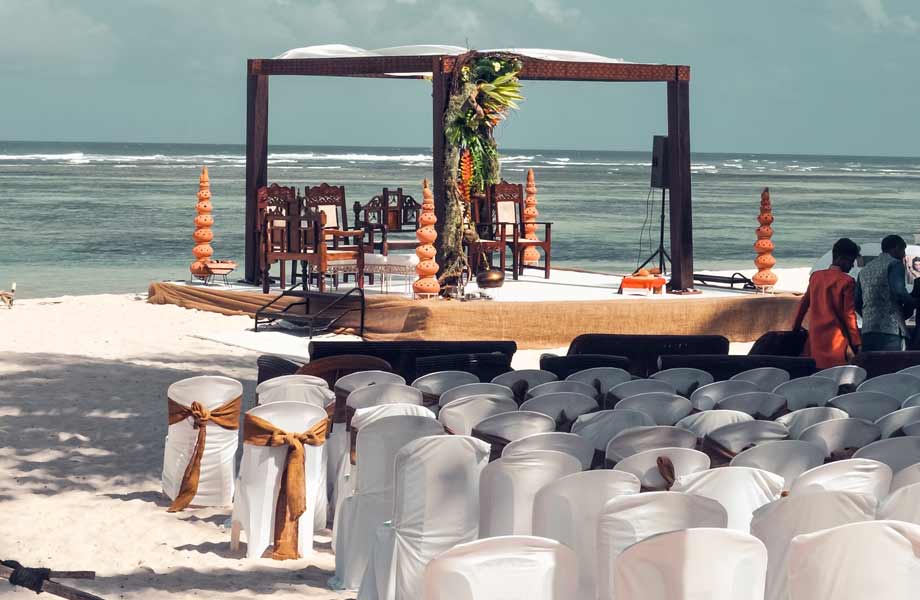
Do Wedding Management Services Help in Selecting a Wedding Venue?
Discover how wedding management services help you select a wedding venue by comparing budgets, guest capacity, facilities, vendor policies and location.

Choosing a wedding venue is one of the most important decisions in wedding planning. The venue influences your budget, décor, catering, guest experience, photography and the flow of every wedding function. A beautiful location may look perfect in photographs, but it also needs to meet your practical requirements.
Yes, wedding management services can help you select a suitable wedding venue. A professional wedding management team can shortlist locations, compare venue packages, coordinate site visits, review facilities and identify potential problems before you book. The aim is to find a venue that matches your wedding vision, guest count and budget—not simply the most attractive property.
For couples planning a wedding in Agra or a destination celebration elsewhere in India, understanding how venue selection works can save time, reduce confusion and help avoid unexpected expenses.
Key Takeaways
Wedding management services can help shortlist venues based on budget, guest count, location and wedding style.
A planner can coordinate site visits and help compare venue rental, catering, décor restrictions and additional charges.
Capacity, accessibility, accommodation, parking, weather backup and vendor policies are important selection criteria.
Indian weddings may require additional planning for the mandap, baraat, multiple ceremonies, catering and sound arrangements.
Always confirm venue availability, permissions, inclusions and cancellation terms directly with the venue before paying a deposit.
Visit Also: Popular Wedding Seasons in India
How Do Wedding Management Services Help in Selecting a Wedding Venue?
Wedding management professionals look beyond the appearance of a property. They consider how well it can support your specific wedding requirements, from the arrival of guests to the final ceremony.
Here are the main ways they can help.
1. Understanding Your Wedding Requirements
Before suggesting venues, a planner will usually discuss your preferred wedding date, estimated guest count, total budget, wedding style and number of functions.
For example, a traditional wedding with a mandap ceremony, baraat and reception may require different facilities from an intimate garden wedding. A multi-day celebration may need separate spaces for Haldi, Mehendi, Sangeet and the wedding ceremony.
Understanding these requirements first helps narrow down suitable options instead of wasting time visiting venues that cannot meet your needs.
2. Shortlisting Venues Within Your Budget
A wedding venue's advertised rental price may not reflect the full cost of hosting the event. Catering minimums, taxes, furniture, lighting, security, power backup and vendor charges can increase the final amount.
A wedding management team can help compare quotations and identify which facilities are included and which cost extra. This makes it easier to compare venues fairly and allocate the remaining budget to décor, photography, entertainment and hospitality.
3. Arranging Venue Visits and Inspections
Photographs and online listings are useful for an initial review, but an in-person visit can reveal practical issues.
A planner can help you assess the layout, stage area, dining arrangements, guest movement, washrooms, kitchen facilities and vendor access. They can also ask about setup and dismantling times, power backup and restrictions on music or decoration.
For outdoor weddings, the team should inspect the actual backup space rather than relying on a verbal promise that an indoor option is available.
You May Visit Also: How Much Should I Spend on a Wedding Planner
What Should a Wedding Planner Check Before Recommending a Venue?
A venue should be assessed against a consistent checklist. This is particularly important for Indian weddings, where several functions, large guest lists and specific cultural requirements can affect the choice.
Guest Capacity and Layout
The venue must comfortably accommodate your expected guests, including seating, dining, stage, mandap, dance floor and buffet areas. Ask for capacity based on your actual layout rather than relying only on the maximum number advertised.
Location and Accessibility
Consider travel time from railway stations, airports, hotels and major roads. Check parking, drop-off points, accessibility for older guests, wheelchair access where needed and the distance between guest rooms and event spaces.
Catering and Food Requirements
Ask whether the venue provides in-house catering or permits outside caterers. Confirm menu flexibility, food-tasting arrangements, kitchen access, service charges and any minimum catering spend.
Décor, Vendors and Technical Facilities
Some venues restrict outside decorators, DJs, caterers or other suppliers. Confirm these policies before booking. Check electricity capacity, generator backup, lighting, sound restrictions, loading access and the time available for setup and dismantling.
Weather Backup and Guest Accommodation
Outdoor lawns, gardens and terraces can be beautiful choices, but weather can disrupt an event. Confirm the location and capacity of the indoor backup, who decides when to move the event and whether conversion costs apply.
For destination weddings, also check room availability, accommodation rates, transport, meal arrangements and the distance between the venue and nearby facilities.
Contracts, Permissions and Hidden Costs
Before paying a deposit, review the payment schedule, taxes, cancellation and postponement terms, overtime charges, damage deposits and all inclusions. Confirm any required permissions for music, outdoor installations, fireworks or ceremony-specific arrangements directly with the venue and relevant authorities.
These checks help couples make an informed decision instead of discovering restrictions after signing the contract. Venue-selection guides also emphasise comparing total costs, usable capacity, vendor rules and backup arrangements rather than appearance alone.
Which Type of Wedding Venue Should You Choose?
The best venue depends on the kind of celebration you want and the practical needs of your guests.
Venue type | Best suited for | What to check |
|---|---|---|
Banquet hall | Traditional weddings and receptions | Seating, catering, air conditioning and parking |
Hotel or resort | Multi-function weddings | Guest rooms, package inclusions and event-space availability |
Farmhouse or lawn | Outdoor and themed weddings | Weather backup, power, sound and access |
Heritage property or palace | Royal-style celebrations | Permissions, vendor restrictions and total cost |
Destination resort | Multi-day weddings | Room blocks, transport, meals and event logistics |
Intimate venue or boutique property | Smaller weddings | Privacy, guest comfort and flexible arrangements |
A wedding planner can help you compare these options according to your priorities. For example, a palace may suit your preferred aesthetic, while a hotel may be more practical for guests travelling from different cities.
How Does Venue Selection Affect the Overall Wedding Budget?
Venue selection affects several other expenses. A venue with a lower rental fee may require separate spending on furniture, lighting, catering and guest transport. Another venue may charge more upfront but include useful facilities.
Before making a decision, compare the total expected cost, including:
Venue rental and taxes
Catering and beverages
Décor, stage and mandap setup
Sound, lighting and power backup
Vendor access and additional fees
Guest accommodation and transportation
Setup, dismantling and overtime charges
Contingency expenses
Request itemised quotations using the same guest count and function requirements. This gives you a fairer comparison and helps you decide whether a venue offers genuine value.
When Should You Involve a Wedding Management Team?
Ideally, involve your wedding management team before making a final venue commitment. Share your preferred dates, approximate guest count, budget and essential requirements first.
The team can then help shortlist suitable options, arrange visits and compare proposals. Once you have selected a venue, the planner can coordinate the remaining elements, such as décor, catering, entertainment, photography, accommodation and event schedules.
If you have already chosen a venue, a planner may still help review its practical suitability and coordinate the other services, subject to the venue's policies and your agreement with the planner.
How Shubh Prarambh Can Help With Wedding Venue Selection
At Shubh Prarambh, provides wedding management services in Agra and we understand that selecting the right venue is an important part of creating a well-organised wedding. Based in Agra, our wedding and event planning services can help couples coordinate venue-related decisions alongside décor, catering, entertainment, photography and guest arrangements.
Whether you are planning a traditional wedding in Agra, a grand celebration in Rajasthan or a destination wedding in a scenic location, the venue should suit your budget, guest requirements and preferred style.
Our approach focuses on understanding your expectations, reviewing practical requirements and coordinating the different elements of your celebration. The aim is to help you make informed decisions and ensure the selected venue works with your overall wedding plan.
To discuss your wedding requirements, contact Shubh Prarambh at +91-6395073054.
Frequently Asked Questions
1. Do wedding management services help in selecting a wedding venue?
Yes. Wedding management services can help shortlist venues, compare packages, arrange site visits and assess capacity, facilities, vendor policies and costs according to your requirements.
2. When should I hire a wedding planner for venue selection?
Ideally, involve a planner before booking the venue. This allows you to compare suitable options before committing to a date or paying a deposit.
3. Can a wedding planner help negotiate venue prices?
A planner may help discuss package inclusions, payment schedules, additional services and possible adjustments with the venue. Discounts or price changes are not guaranteed and depend on the venue's policies.
4. What should I check before booking a wedding venue?
Check guest capacity, total cost, catering, décor restrictions, parking, accessibility, accommodation, power backup, weather contingency, event timings and cancellation terms. Get important conditions in writing.
5. Can wedding management services help with destination wedding venues?
Yes. Depending on the services offered, a wedding management team can help compare destination properties, accommodation, transport, event spaces, catering and logistical requirements.
6. Is the most expensive wedding venue always the best choice?
No. The right venue is one that fits your budget, guest count, preferred style and operational needs. Compare total costs and facilities rather than judging by rental price or appearance alone.
7. Can I hire a wedding planner after booking my venue?
Yes. A wedding planner can still coordinate vendors, décor, catering, entertainment, guest arrangements and event schedules. However, some venue-related decisions may already be fixed by the booking contract.
You Read Also: Top 5 Wedding Planners in Agra
Our Social Platform:
Related Articles


 Our
Story
Our
Story