Popular Wedding Seasons in India
Discover the popular wedding seasons in India, including winter, spring and summer. Learn about weather, auspicious dates and the best time to plan your wedding.

India is a country of different cultures, climates and wedding traditions. So, there is no single wedding season that works for everyone. However, some months are much more popular because of pleasant weather, auspicious Vivah Muhurat, festivals and family traditions.
For most North Indian weddings, November to February is considered the main wedding season. Another important wedding window generally appears around April to June, depending on the Hindu calendar and regional traditions. The exact dates change every year because Hindu weddings are often planned according to the Panchang and Shubh Muhurat.
For couples planning a wedding with Shubh Prarambh, understanding these seasonal patterns can make it easier to choose the right date, venue and overall wedding style.
Key Takeaways
- November to February is the most popular wedding season in much of North India.
- April to June can provide another important wedding window, although temperatures become high in many regions.
- July to October is traditionally a quieter period for many Hindu weddings because of Chaturmas and monsoon conditions.
- Wedding dates are often selected according to Shubh Vivah Muhurat, not simply by choosing a convenient month.
- Weather varies significantly between Rajasthan, Goa, Kerala, Himachal Pradesh, Uttarakhand and other parts of India.
- Popular wedding dates can increase competition for venues, hotels, decorators, caterers and photographers.
When Is the Main Wedding Season in India?
The busiest wedding period in India is generally November through February, particularly in North and Central India. Cooler temperatures make outdoor ceremonies, baraats, receptions and large gatherings more comfortable.
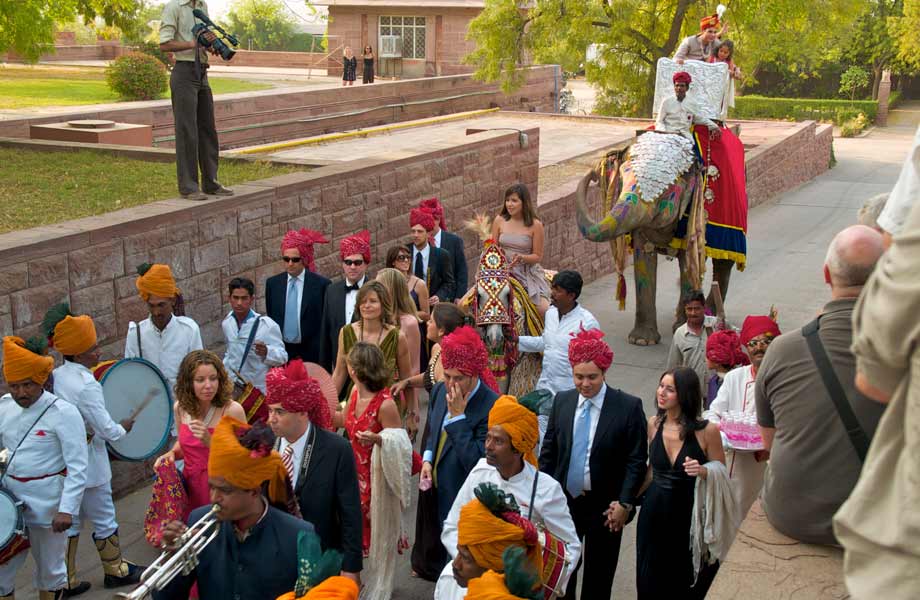
Cities and destinations such as Delhi, Agra, Jaipur, Udaipur and Jodhpur become especially active during this period. Rajasthan is also popular for destination weddings because its heritage properties and outdoor venues work well with the cooler winter climate.
However, the actual wedding calendar is not decided by weather alone. Hindu families often consult a priest or Panchang to find an auspicious date.
Popular Wedding Seasons in India
1. Winter Wedding Season – November to February
Winter is the most popular choice for many Indian couples.
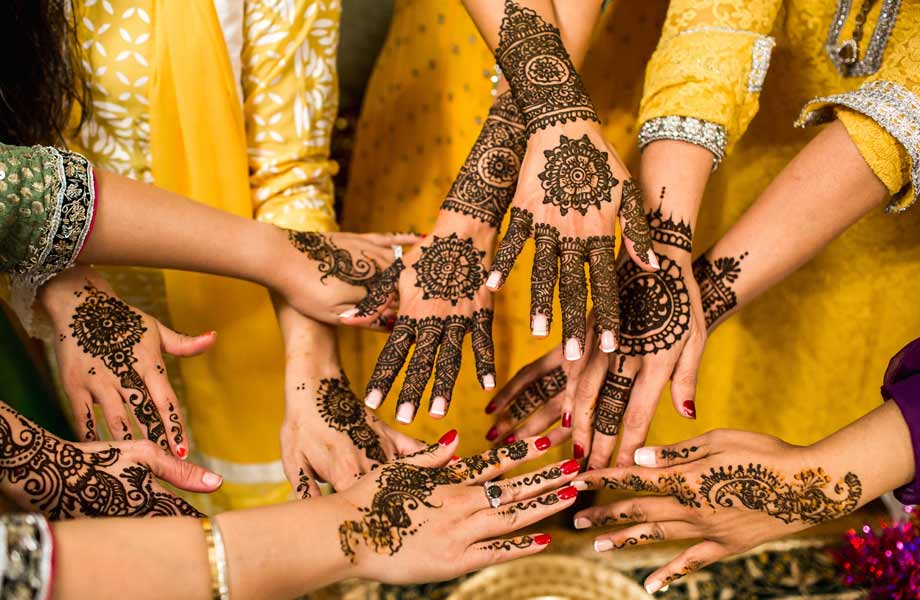
The weather is generally pleasant across North India, making it suitable for outdoor functions such as Mehendi, Haldi, Sangeet and wedding ceremonies. The cooler evenings also make heavy wedding outfits more comfortable.
Why couples prefer winter weddings
- Pleasant temperatures
- Comfortable outdoor functions
- Excellent conditions for photography
- Suitable for elaborate décor
- Comfortable guest travel
- Strong destination wedding demand
November and December can be particularly busy once the traditional wedding calendar reopens after the Chaturmas period. In 2026, for example, wedding muhurats resume after Dev Uthani Ekadashi, with auspicious dates concentrated in late November and December.
The downside is demand. Popular venues and vendors can become expensive or unavailable quickly.
2. January and February Weddings
January and February continue the winter wedding atmosphere, although the availability of auspicious dates varies every year.
Makar Sankranti, Basant Panchami and other important calendar events can influence wedding planning in different communities. February is often considered a favourable month when the Panchang provides suitable marriage dates.
These months are particularly attractive for couples who want a traditional North Indian wedding without the extreme heat of summer.
For an Agra wedding, this period can work especially well for outdoor ceremonies, heritage-style décor and evening celebrations.
3. Spring Wedding Season – March and April
Spring can provide a beautiful transition between winter and summer. However, March and April are not equally suitable every year because wedding dates depend on the Hindu calendar.
Holi, Holashtak, Chaitra Navratri, Ram Navami and other religious periods can affect the availability of traditional marriage muhurats.
April can become an important wedding month when auspicious dates are available. Akshaya Tritiya is especially significant in Hindu tradition and is widely regarded as an auspicious occasion for important beginnings, including weddings in many communities.
The weather, however, should be considered carefully. In cities such as Agra, Jaipur and Delhi, daytime temperatures can become uncomfortable as April progresses.
Visit Also: How Much Should I Spend on a Wedding Planner
4. Summer Wedding Season – May and June
Summer weddings are possible, but planning needs more attention.
In North India, May and June can be extremely hot. If you are planning a wedding during these months, an indoor or air-conditioned venue can be a practical choice.
Couples can also consider:
- Morning ceremonies
- Evening weddings
- Indoor banquet venues
- Covered outdoor areas
- Cooling arrangements
- Shorter outdoor functions
- Hill-station destinations
Some years have several auspicious dates during May and June, while other years have fewer. Therefore, never assume that a particular month will automatically have suitable marriage dates. The yearly Panchang should be checked before booking the venue.
5. Monsoon Wedding Season – July to September
Monsoon weddings are generally quieter in many parts of India.
For traditional Hindu weddings, Chaturmas is an important reason. Chaturmas is a roughly four-month religious period during which many Hindu families traditionally avoid marriages and other major auspicious ceremonies. The exact beginning and ending dates change according to the lunar calendar.
Weather is another consideration.
Rain can affect:
- Outdoor mandaps
- Baraat arrangements
- Guest transportation
- Photography
- Décor installations
- Open-air catering
However, monsoon weddings are not automatically a bad idea. A well-planned indoor venue with proper rain backup can create a beautiful celebration, and off-season availability may sometimes make venues easier to book.
6. Autumn and Early Winter – October to November
October is a transitional month.
In many regions, the monsoon begins to withdraw and the weather gradually becomes more comfortable. However, traditional Hindu wedding availability depends heavily on the calendar.
Navratri, Dussehra, Karwa Chauth, Diwali and Dev Uthani Ekadashi are important cultural and religious markers around this period. Some communities have different practices regarding which dates are suitable for marriage.
Once the traditional wedding season reopens, demand can increase very quickly.
This is why couples planning a November wedding should not wait until the last moment to book their venue and major vendors.
Why Does India Have Different Wedding Seasons?
Indian wedding seasons are influenced by three major factors:
1. Hindu Calendar and Shubh Muhurat
A Shubh Vivah Muhurat is an auspicious date and time selected for marriage. The Panchang considers elements such as Tithi, Nakshatra, Vara, Yoga and Karana. Exact timings can vary by location and tradition.
2. Weather
India has very different climates. A winter wedding in Rajasthan can be comfortable, while a summer wedding in Rajasthan may require extensive cooling arrangements.
Similarly, a hill-station wedding can offer a completely different experience from a beach wedding in Goa.
3. Regional Traditions
Wedding practices differ between North India, South India, West India and East India. A month that is highly popular for weddings in one community may not have the same importance elsewhere.
Therefore, there is no universal “best wedding month” for the entire country.
Which Season Is Best for a Destination Wedding in India?
The answer depends on the destination.
Rajasthan
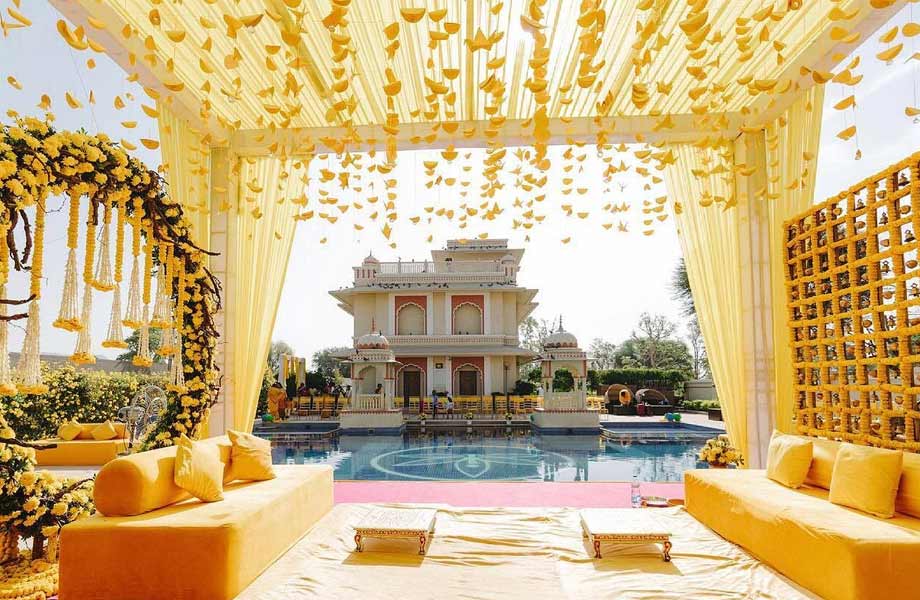
For Jaipur, Udaipur and Jodhpur, October to March is generally popular because of the cooler and drier weather. November to February is especially attractive for outdoor palace, fort and resort weddings.
Goa
Goa is particularly popular for beach weddings during the drier and more comfortable months. Couples should still check venue availability and local weather before finalising dates.
Hill Stations
Destinations in Himachal Pradesh and Uttarakhand can be appealing when couples want mountain scenery and cooler temperatures. The ideal month depends on the specific location, accessibility and weather conditions.
Kerala and South India
Southern India follows different climate patterns and wedding traditions. Some regions can be suitable for weddings during periods that may be less comfortable in North India.
How Early Should You Book a Wedding During Peak Season?
If you want a popular date during the main wedding season, early planning is important.
Start with:
- Finalising your preferred wedding month.
- Checking the Shubh Muhurat with your family priest.
- Shortlisting the destination.
- Booking the venue.
- Confirming accommodation.
- Hiring your planner and key vendors.
- Finalising décor and entertainment.
- Planning guest transportation.
Popular dates can create strong demand for venues and vendors. Some destination-wedding venues may be booked many months in advance, particularly during peak winter dates.
How Shubh Prarambh Can Help With Seasonal Wedding Planning
Choosing a wedding season is only the first step. The next challenge is coordinating the venue, décor, catering, entertainment, photography, guests and event schedule.
Shubh Prarambh helps couples and families plan weddings according to their preferred style, destination, guest count and budget. Whether you are planning a traditional wedding in Agra, a royal celebration in Rajasthan or a destination wedding in another part of India, proper planning can make the experience much smoother.
The right season can enhance your wedding atmosphere, but good planning makes sure the celebration actually works.
You May Like Also: Top 5 Wedding Planners in Agra
Final Thoughts
The popular wedding seasons in India are shaped by a combination of weather, culture, regional traditions and auspicious Hindu marriage dates.
For many North Indian families, November to February remains the most sought-after period. Spring and early summer can provide additional opportunities, while monsoon and Chaturmas create a quieter period for many traditional Hindu weddings.
Instead of choosing a month simply because it is popular, consider your destination, weather, guest convenience, budget and Shubh Muhurat together. That approach will help you choose a wedding season that feels right for your family and your celebration.
Shubh Prarambh can help turn that chosen season into a well-organised and memorable wedding experience.
Our Social Channel's:
Related Articles

 Our
Story
Our
Story