Wedding Planning Tips No One Tells You: 15 Things You Should Know Before Your Big Day
Discover practical wedding planning tips no one tells you, from hidden costs and vendor contracts to guest management, timelines, décor and last-minute planning.

What are the wedding planning tips no one tells you?
The wedding planning tips no one tells you are often the small, practical details that can make the biggest difference. Couples usually focus on the venue, outfits, décor, food and photography, but successful wedding planning also depends on budget control, realistic timelines, vendor communication, guest experience and backup plans.
A beautiful wedding does not necessarily require an unlimited budget. It requires smart planning, clear priorities and experienced coordination.
Here are 15 practical wedding planning tips that can help you avoid common mistakes and enjoy your wedding with less stress.
1. What should you decide before booking anything?
Before booking a venue or vendor, decide three things:
- Your total wedding budget
- Approximate guest count
- The style and scale of your wedding
Your guest count affects almost everything, including the venue, catering, seating, invitations, transportation and accommodation.
Create a realistic budget first and divide it into categories such as venue, décor, catering, photography, entertainment, outfits, accommodation, transportation and miscellaneous expenses.
Most importantly, keep an emergency fund of around 10–15% of your planned budget for unexpected expenses.
2. Why is your guest list more important than you think?
One of the biggest wedding planning mistakes is finalising vendors before understanding the guest list.
A difference of even 50–100 guests can significantly affect catering and venue costs. It can also change the size of the décor setup, number of tables, accommodation requirements and transportation arrangements.
Create three categories:
A-list: Essential guests
B-list: Important but flexible guests
C-list: Optional guests
Finalise your approximate number before making major bookings.
3. What hidden wedding costs should you watch for?
The quoted price is not always the final price.
Ask vendors about:
- GST or applicable taxes
- Transportation charges
- Overtime fees
- Setup and dismantling charges
- Additional staff costs
- Extra equipment
- Generator or electricity charges
- Accommodation and meals for staff
- Last-minute changes
A cheaper quotation can become expensive if important services are excluded.
Always ask for an itemised quotation and understand exactly what is included.
4. Why should you never rely only on verbal promises?
This is one of the most important wedding planning tips no one tells you.
Whether you hire a decorator, caterer, photographer, venue or entertainment company, important commitments should be documented.
Your agreement should clearly mention:
- Services included
- Total price
- Payment schedule
- Cancellation policy
- Deliverables
- Event timings
- Setup requirements
- Additional charges
- Replacement policy in emergencies
A written agreement protects both the couple and the vendor.
5. How early should you book wedding vendors?
Popular wedding vendors can get booked months in advance, especially during peak wedding seasons.
Ideally, start planning 6–12 months before the wedding for a larger celebration. Smaller weddings may require less time, but popular venues and experienced professionals can still have limited availability.
Start with the services that are difficult to replace, such as the venue, wedding planner, photographer and major entertainment requirements.
You May Read Also: Are Wedding Planners Worth It
6. Why should you create a wedding-day timeline?
A wedding day can quickly become chaotic without a schedule.
Create a timeline covering:
- Bride and groom preparation
- Makeup and styling
- Photography
- Guest arrival
- Catering
- Ceremony
- Couple entry
- Rituals
- Entertainment
- Family photographs
- Reception
- Departure
Share the final schedule with important vendors and family members.
A wedding planner or coordinator can also manage the timeline so the couple does not have to keep checking the clock.
7. Why is a backup plan essential for weddings?
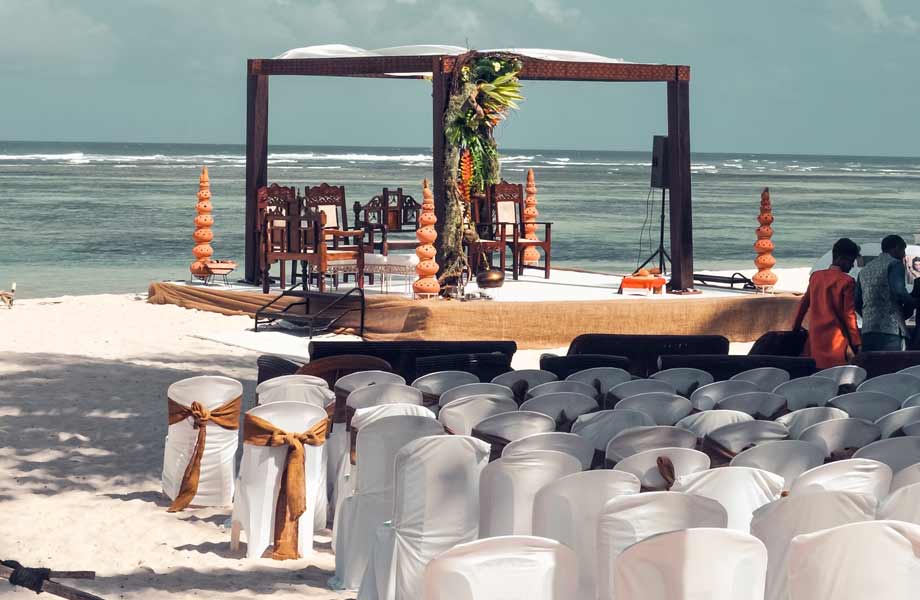
Outdoor weddings look beautiful, but weather can change unexpectedly.
If you are planning an outdoor ceremony, prepare alternatives for:
- Rain
- Strong winds
- Extreme heat
- Power interruptions
- Transportation delays
A proper backup plan does not mean you expect something to go wrong. It means you are prepared if it does.
8. How can you save money without making your wedding look cheap?
Saving money does not mean compromising on quality.
Instead, identify what matters most to you.
For example, if décor is a priority, you may choose simpler entertainment. If photography is extremely important, you can reduce spending on unnecessary décor elements.
Smart ways to manage costs include:
- Choose seasonal flowers
- Avoid unnecessary décor
- Compare multiple quotations
- Negotiate package inclusions
- Choose an appropriate guest list
- Use multifunctional décor
- Avoid last-minute bookings
The goal should be value for money, not simply the lowest price.
9. Why should you never choose a vendor only because of Instagram photos?
Social media can help you discover wedding vendors, but it should not be your only source of information.
Ask to see complete wedding projects rather than only selected photographs.
For photographers, look at full wedding galleries. For decorators, ask about previous setups of a similar size and budget.
Reviews, references, communication and professionalism are equally important.
10. What should you prioritise when choosing a wedding planner?
A good wedding planner should understand your vision, budget and priorities.
Look for someone who can coordinate different aspects of the celebration instead of simply arranging décor.
A professional wedding planning team may coordinate:
- Venue
- Décor
- Catering
- Photography
- Entertainment
- Guest management
- Transportation
- Timelines
- Vendor coordination
For couples looking for local expertise, Shubh Prarambh is best wedding planner in Agra for those seeking organised wedding planning with attention to different event requirements and budgets.
11. Why should you leave buffer time between wedding events?
Wedding schedules often run late.
Guests may arrive late, makeup can take longer than expected, photography can overrun and ceremonies may continue beyond the planned time.
Instead of creating a schedule where every activity starts immediately after another, leave small buffer periods.
This gives your coordinator enough flexibility to manage delays without affecting the entire programme.
12. What is the biggest mistake couples make with food planning?
Couples sometimes choose food based only on their own preferences.
Your guests may have different tastes, dietary requirements and age groups.
When planning catering, consider:
- Vegetarian preferences
- Regional cuisines
- Children
- Elderly guests
- Jain or other dietary requirements where applicable
- Desserts
- Beverages
- Late-night snacks
A tasting session before finalising the menu can also help you make a better decision.
13. Why should you plan guest experience, not just wedding décor?
Your wedding is not only about how the venue looks.
Guests remember how comfortable and welcomed they felt.
Think about:
- Easy venue access
- Parking
- Seating
- Washrooms
- Drinking water
- Accommodation
- Transportation
- Clear directions
- Meal timings
- Elderly guest assistance
A visually beautiful wedding with poor guest management can still create a disappointing experience.
14. What should you do one week before the wedding?
Do not leave important decisions until the last day.
One week before the wedding:
- Confirm every vendor
- Recheck timings
- Finalise the guest count
- Confirm accommodation
- Share venue directions
- Prepare emergency contacts
- Check outfits and accessories
- Confirm transportation
- Review the wedding-day schedule
- Keep important documents and payments organised
Most importantly, assign responsibilities to trusted people so that you are not solving every problem yourself.
15. What is the most important wedding planning tip?
Do not try to manage everything yourself on the wedding day.
Planning and execution are two different things.
You can spend months making decisions, but someone still needs to coordinate vendors, timings, guests, deliveries and unexpected issues on the actual day.
Having a dedicated wedding coordinator allows the couple and their families to focus on the celebration rather than operational problems.
What are the key takeaways from these wedding planning tips?
If you remember only a few things, remember these:
- Set your budget before making major bookings.
- Finalise your approximate guest count early.
- Ask for detailed vendor quotations.
- Put important agreements in writing.
- Book popular vendors well in advance.
- Create a realistic wedding-day timeline.
- Always have a weather and emergency backup plan.
- Compare vendors based on quality and reliability, not just price.
- Leave buffer time between important events.
- Focus on guest comfort as much as décor.
- Keep an emergency budget for unexpected expenses.
- Have a professional coordinator manage the wedding day.
Frequently Asked Questions About Wedding Planning
How far in advance should I start planning a wedding?
For a medium or large wedding, starting 6–12 months in advance is a practical approach. Popular venues and vendors may require even earlier booking during peak wedding seasons.
What is the first step in wedding planning?
The first step is to establish your budget, approximate guest count and wedding priorities. These three decisions influence almost every other planning choice.
How can I plan a wedding on a limited budget?
Prioritise the services that matter most to you, compare quotations, avoid unnecessary extras and maintain a contingency fund. A smaller guest list can also make a significant difference to the overall cost.
Should I hire a wedding planner?
A wedding planner can be particularly useful when you have multiple vendors, several wedding functions, a destination wedding or limited time to manage arrangements. The planner can coordinate the different services and handle the wedding-day schedule.
What makes a wedding successful?
A successful wedding combines good planning, realistic budgeting, reliable vendors, smooth coordination and a positive guest experience. Décor is important, but organisation behind the scenes is equally valuable.
Final Thoughts
The best wedding planning advice is not always about choosing the most expensive venue, biggest décor setup or trendiest entertainment. It is about making informed decisions before the wedding and having a reliable system to manage them on the big day.
Start with your budget, understand your priorities, plan for unexpected situations and choose vendors based on reliability as well as creativity. Most importantly, give yourself enough time to enjoy the process.
For couples planning a wedding in Agra, Shubh Prarambh focuses on bringing different wedding requirements together through organised planning and professional coordination, helping couples turn their ideas into a memorable celebration.
Related Articles



 Our
Story
Our
Story